


Grocery retail has long operated on high volumes and tight margins. As operating costs continue to rise and price competition intensifies, retailers are looking beyond traditional product sales to unlock new sources of value.
One of the most promising opportunities is retail media — extending brand engagement directly into the physical store. To make this shift successful, in-store marketing must become more consistent, more flexible, and more measurable.
The transformation begins at the shelf edge.
Why In-Store Marketing Requires a Digital Shelf Foundation?
For decades, the shelf edge has been one of the most influential touchpoints in grocery stores, yet also one of the least flexible. Paper-based communication limits speed, coordination, and visibility across large store networks.
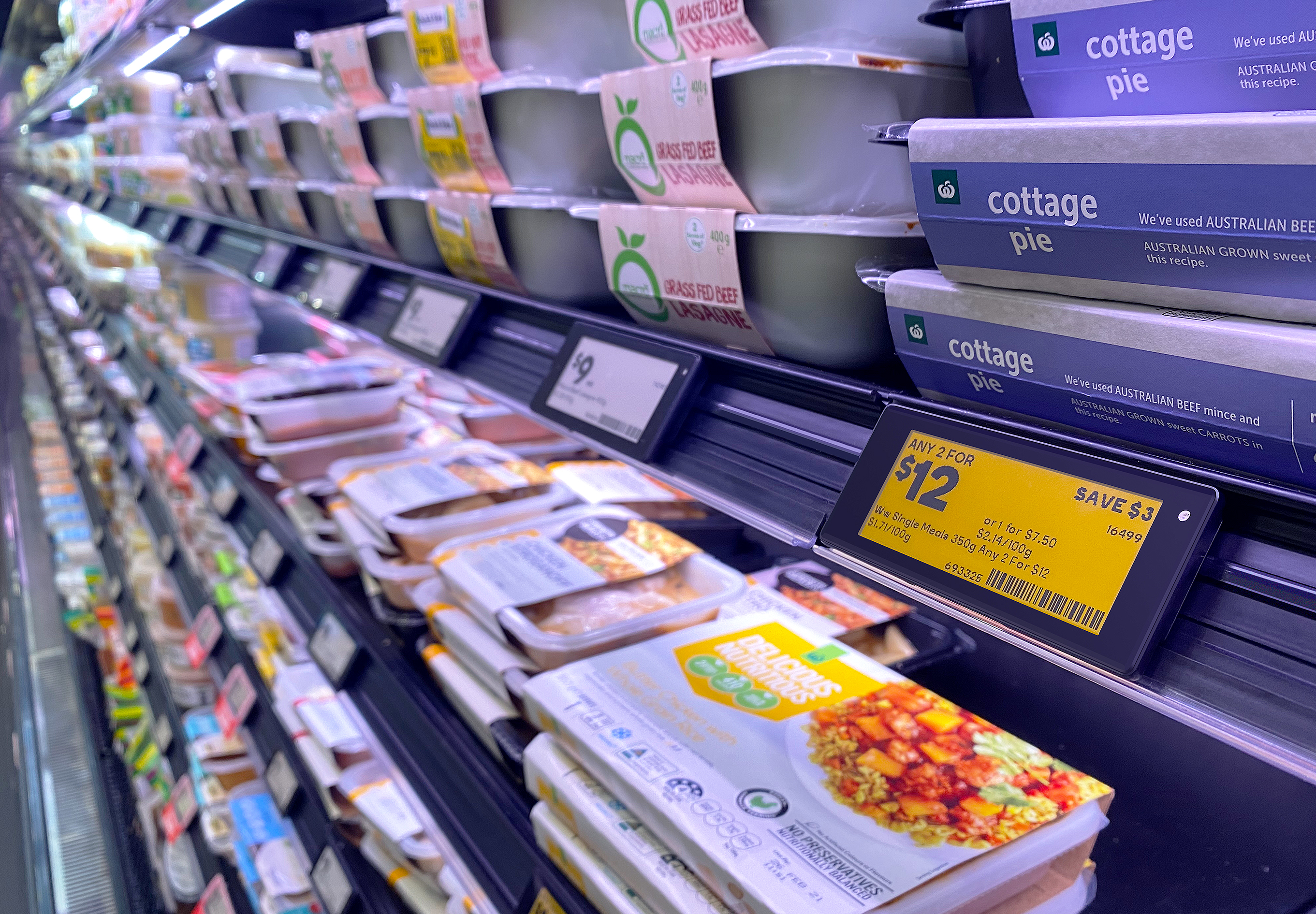
By digitizing the shelf edge with electronic shelf labels (ESL), retailers gain the ability to manage pricing, promotions, and product information in a synchronized way. This creates a consistent in-store environment where campaigns can be executed with greater accuracy and transparency.
As retail media evolve, this digital foundation becomes increasingly important.
The Foundational Role of Modern ESL Solutions
To enable in-store monetization, the shelf edge must evolve from a static display into a centrally managed digital communication layer. Modern ESL solutions provide the foundation for this shift, supporting retail media initiatives while safeguarding pricing accuracy and operational consistency.
Speed and Coordination for Scheduled Campaigns
With high-performance communication capabilities, ESL systems allow retailers to coordinate updates across multiple stores within defined timeframes. This makes it possible to execute time-sensitive campaigns with greater precision and alignment—ensuring consistent delivery at scale.
Operational Guidance and Store Efficiency
Beyond customer-facing communication, electronic shelf labels can also support store operations. Multi-color LED indicators, for example, can be integrated into picking and replenishment workflows, helping associates quickly locate products during order fulfillment or restocking activities.
By improving speed and accuracy in store-level tasks—such as pick-to-light processes—ESL systems contribute to smoother daily operations. This operational efficiency becomes especially important when introducing in-store retail media initiatives, ensuring that commercial innovation does not compromise store performance.
Rich Visual Communication
In selected areas, such as fresh food or promotional zones, LCD-based shelf-edge displays can support scheduled visual content. This enables brands to communicate product stories, usage ideas, or sustainability messages directly at the point of purchase.
A Phased and Practical Implementation Approach
Developing in-store monetization capabilities does not require immediate, store-wide deployment. A phased approach helps retailers validate value while maintaining operational stability.
Step 1: Begin with High-Impact Zones
High-traffic or high-margin areas are naturally starting point. End-caps and feature displays attract customers’ attention, making them effective entry points for enhanced shelf-edge communication.
Step 2: Strengthen Partner Collaboration
Once pilot zones are established, retailers can introduce structured collaboration models with brands. Time-bound product launches, seasonal campaigns, or category features can be coordinated through synchronized shelf-edge updates—ensuring consistent execution across locations.
Step 3: Maintain Governance and Shopper Trust
As capabilities expand, governance becomes increasingly important. Clear approval processes and transparent communication help ensure pricing accuracy, promotional fairness, and a positive shopper experience.
Looking Ahead
The evolution toward a media-enabled store begins with the right foundation. Reliable ESL solutions support accurate pricing, coordinated execution, and measurable in-store engagement, creating a bridge between operational excellence and new commercial opportunities.
At Hanshow, we work alongside grocers to modernize the shelf edge and unlock new forms of in-store value creation—built on consistency, transparency, and long-term trust.