


In grocery retail, fresh food departments—including deli, bakery, meat, and produce—play a critical role in overall profitability. These categories are highly sensitive to expiration timelines, operational efficiency, and execution accuracy at the shelf.
For many grocers, margin pressure is often linked not only to wholesale costs, but also to inconsistent price updates and uneven shelf execution across stores. Managing near-expiration products requires structured processes and reliable systems that ensure price changes are implemented accurately and on time.
Turning Expiry Management into a Repeatable Process
Effective expiry management should not rely solely on manual decisions. By defining clear workflows, grocers can manage near-expiration inventory in a consistent and measurable way.
A structured process typically includes:
Identification: Detect products approaching their sell-by dates through inventory or POS-integrated systems.
- Rule Definition: Establish predefined pricing or discount rules based on time windows or inventory conditions.
- Central Deployment: Distribute pricing rules from headquarters to store systems in a controlled and synchronized manner.
- Shelf-Level Execution: Ensure that price adjustments are reflected accurately at the shelf level.
- Review and Optimization: Analyze outcomes to refine rules, reduce waste, and support long-term margin performance.
This approach transforms expiry management from a reactive task into a standardized operational process aligned with pricing governance.
The Role of ESL Solutions in Timely Price Execution
Digital price tags enable retailers to respond efficiently to pricing update requirements across multiple stores.
Centralized and Synchronized Updates
When integrated with pricing, ERP, and POS systems, ESL platforms allow centrally defined price changes to be deployed across stores in real time. This reduces reliance on manual label replacement and helps minimize discrepancies between shelf prices and checkout systems.
Traceable and Reliable Actions
Each price update executed through an ESL system is automatically logged, creating a transparent audit trail. Retailers can verify when a change was implemented, how long it remained active, and which rule triggered it—supporting stronger pricing governance and operational control.
Best Practices for ESL Implementation in Fresh Categories
To maximize impact, grocers should adopt a phased and data-driven approach.
Start with High-Impact Departments
Pilot ESL-driven markdown workflows in categories with high shrink rates, such as fresh produce, bakery, deli, and prepared meals. These areas experience frequent price changes and short shelf lives, making them ideal for demonstrating value quickly.
Define Clear Performance Metrics
KPIs may include price update timeliness, reduction in price discrepancies, waste reduction rates, and labor hours saved from manual label changes.
Improve Customer Transparency
Clear and consistent display of updated prices improves shopper confidence. Well-designed electronic shelf labels can present price changes in a structured and easy-to-understand manner, reinforcing trust at checkout.
Why Retailers Choose Hanshow ESL Solutions
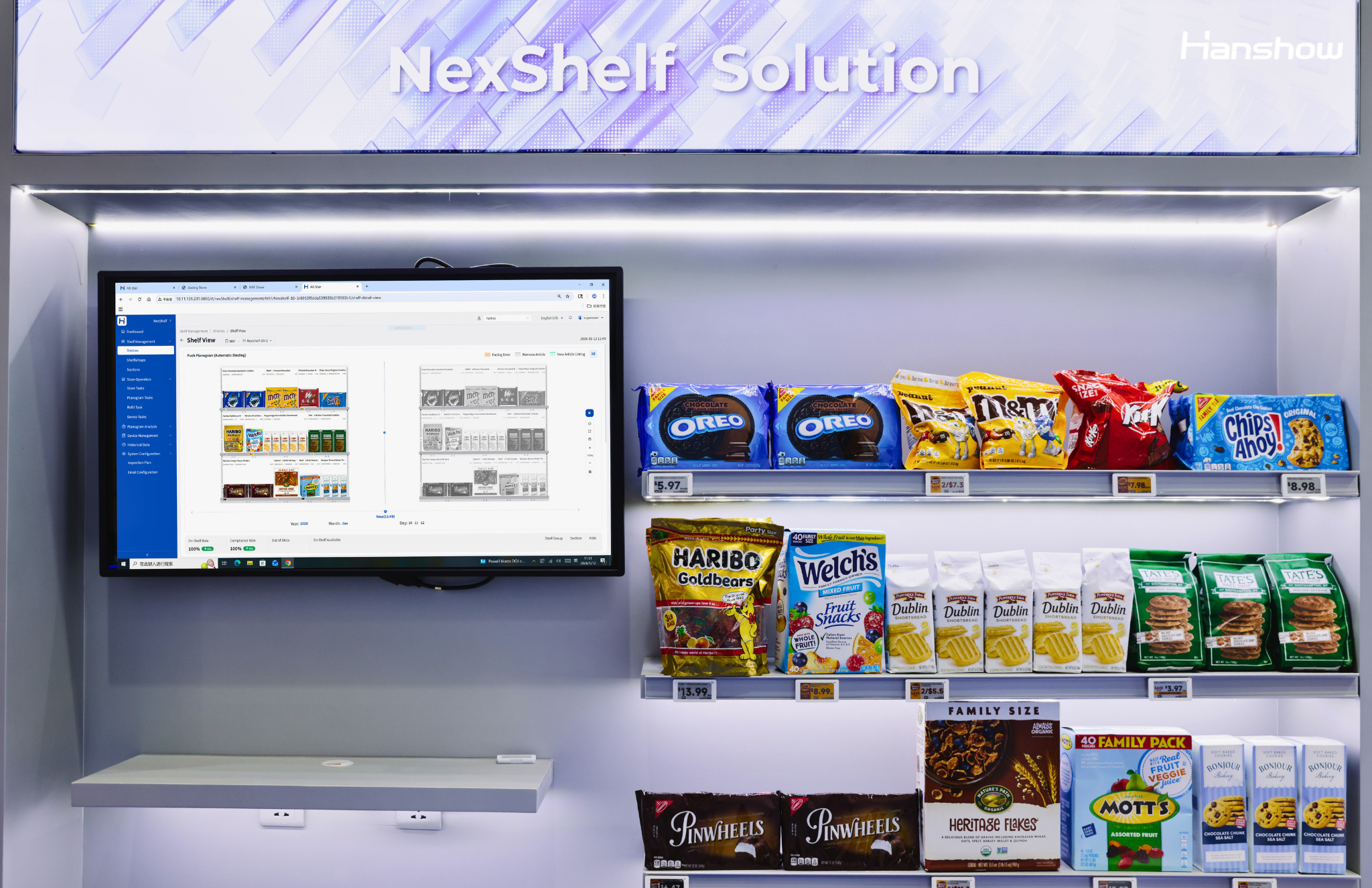
Reliable hardware and system stability are essential in grocery environments where humidity, cold-chain conditions, and frequent cleaning are common.
The Hanshow Nebular series offers long battery life of up to 10 years under typical update frequencies, helping retailers reduce total cost of ownership. With IP68 protection, 3H screen hardness, and a 7.8 mm ultra-slim unibody design, these digital price tags are built for durability and operational efficiency in demanding fresh food environments.
Conclusion
Margin pressure in grocery retail remains ongoing, particularly in fresh food categories. By combining structured pricing workflows with dependable ESL infrastructure, retailers can improve execution consistency, reduce operational errors, and better align centralized pricing strategies with shelf-level reality.
Rather than relying on manual processes, ESL-enabled stores can manage near-expiration products with greater accuracy and operational confidence—supporting both profitability and customer trust.