


Retailers today are navigating the transition from traditional store operations to more connected digital ecosystems. While digital channels and centralized systems continue to evolve, execution at the physical shelf remains a common operational constraint.
The in-store shelf interface—where customers ultimately see product information and pricing—is often labor-intensive, paper-based, and susceptible to inconsistency. These challenges can influence the shopping experience and lead to differences in pricing presentation across channels.
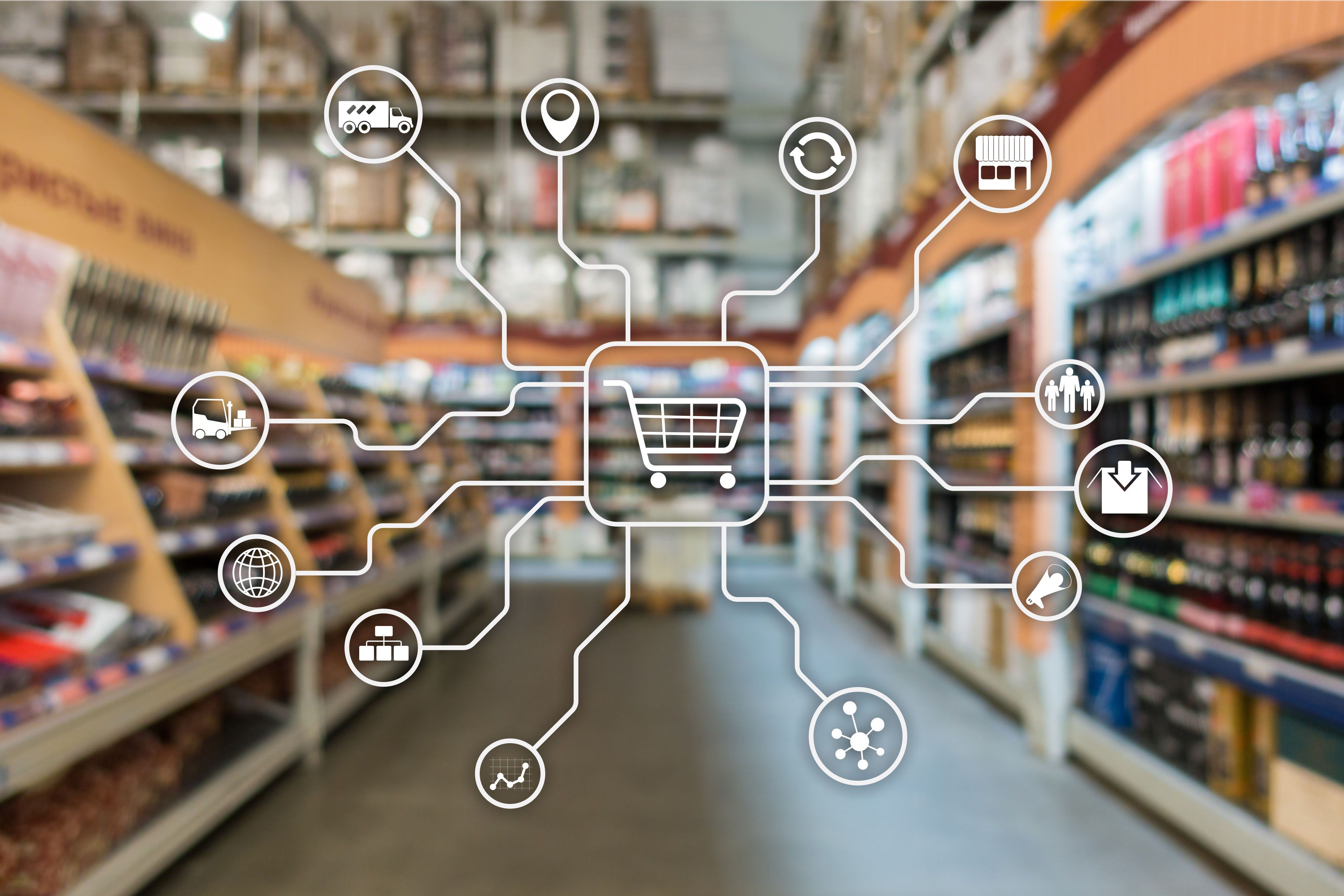
To address this gap, successful store digitalization follows a structured path: beginning with product data unification and extending to scalable shelf-edge execution supported by robust ESL solutions.
Step 1: Establish a Unified Data Foundation for Pricing Consistency
In many retail organizations, pricing and promotion information is managed across multiple systems, including e-commerce platforms, mobile applications, and physical stores. This makes it difficult to execute prices consistently at the shelf.
The first step toward omnichannel consistency is aligning SKU, pricing, promotion, and inventory data into a single source of truth. When updates are initiated centrally, pricing changes can be applied simultaneously across all customer touchpoints.
Step 2: Execute at Store-Level with ESL Solutions
Once pricing and promotion information is aligned, consistent execution at the physical shelf becomes the next challenge. Manual, paper-based processes struggle to keep pace with the speed and frequency of price updates.
Digital price tags (also called electronic shelf labels) address this challenge by ensuring that centrally managed prices and promotions are reflected accurately and in real time at the shelf. High-performance ESL solutions, such as Hanshow’s Nebular series, enable retailers to update pricing and product information efficiently across thousands of stores. Reliable connectivity and fast refresh rates help keep shelf information aligned with backend systems, even during complex promotional periods.
Why ESL Solutions Matter in Grocery Retail
Grocery environments place especially high demands due to frequent assortment changes, promotional activity, and perishable goods management. Maintaining consistent shelf pricing manually at scale is increasingly difficult.
Frequent Promotional Updates
Supermarkets regularly run weekly promotions and short-term campaigns. ESL solutions allow these price changes to be executed consistently across shelves and checkout systems, reducing manual workload and supporting accurate promotion execution.
Perishable Inventory Management
Fresh categories such as produce and dairy benefit from scheduled markdown workflows that support timely sell-through while reducing waste. Digital shelf labels help store teams implement these workflows more efficiently and consistently.
Online Order Picking Support
As BOPIS (Buy Online, Pick Up In Store) continues to expand, picking efficiency becomes a priority. ESL devices equipped with LED indicators, such as Hanshow's pick-to-light functionality, can guide staff to the correct items quickly, improving order fulfillment speed.
ESL Deployment Strategy: A Phased Approach
Successful ESL deployments typically follow a phased rollout focused on execution impact:
- Select pilot stores with high SKU turnover and frequent promotional activity
- Start with high-impact categories where pricing accuracy has the greatest operational and financial impact
- Define clear KPIs, such as price mismatch rate, time spent on price updates, promotional compliance, and labor efficiency
These pilots provide measurable insights before scaling ESL deployment across the broader store network.
Pricing Management and Consumer Trust
A common consideration with electronic shelf labels is how pricing updates are managed. Retailers can address this proactively by establishing rules around when and how prices are updated.
Clear communication, simple approval processes, and centralized control help keep promotional and regular prices consistent and easy for shoppers to understand. This alignment between headquarters and stores builds trust in fair and transparent pricing.
Conclusion
Store digitalization is an ongoing journey. By combining centralized pricing management with reliable ESL solutions, retailers can improve price accuracy, strengthen omnichannel consistency, and deliver a more dependable shopping experience.
With the right execution model and governance practices in place, electronic shelf labels become a practical foundation for operational efficiency and long-term retail modernization.